The home of Portugal Economics and Legal
A historic building near Santa Apolónia, linked to the sculptor Joaquim Machado de Castro and to the Fábrica de Azulejos Roseira.
The present offices of Portugal Economics and Legal, at No. 18 Rua dos Caminhos de Ferro, next to Santa Apolónia railway station, occupy a building of great historical, architectural and artistic value. Associated with the memory of Joaquim Machado de Castro, one of the most important Portuguese sculptors and the author of the equestrian statue of King José I in Terreiro do Paço, the house belongs to an area of Lisbon shaped by the relationship between heritage, workshop crafts, artistic creation and urban change.
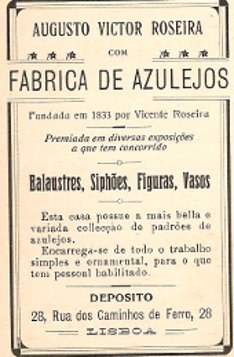
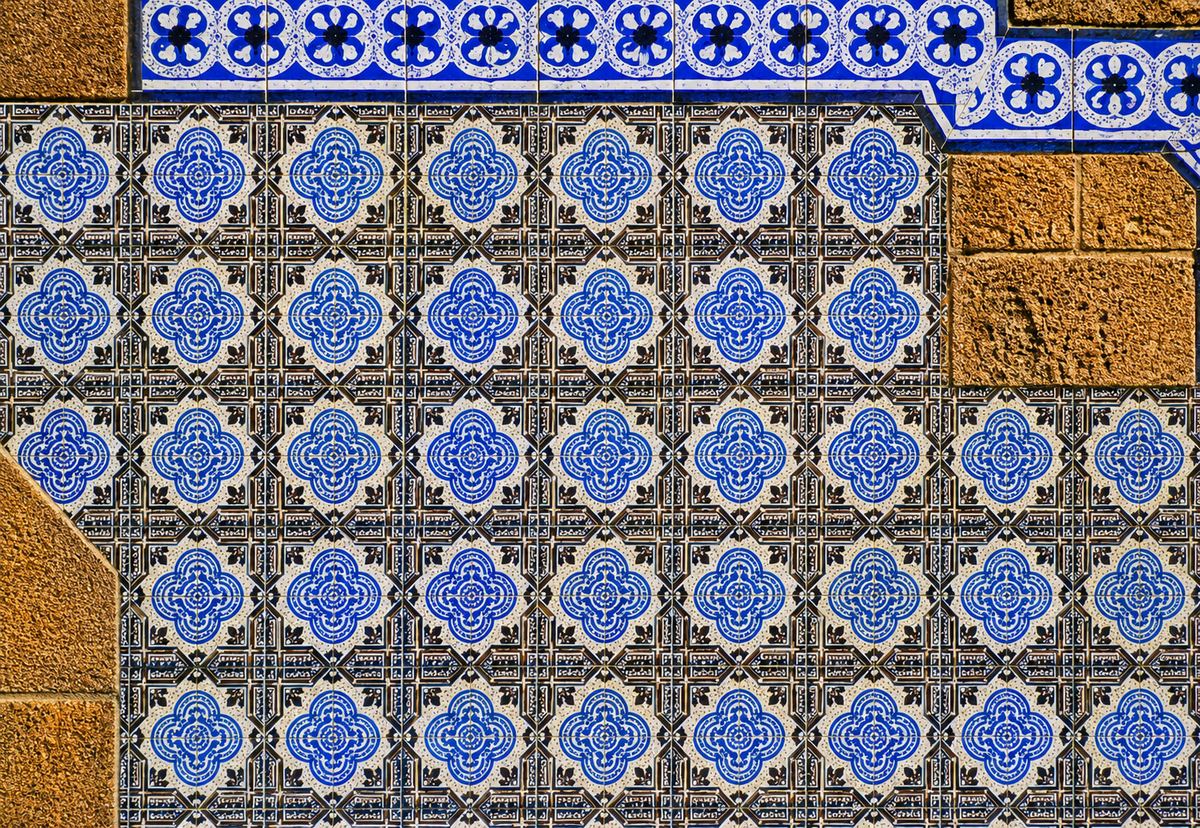
The building proudly displays its connection to the former Fábrica de Azulejos Roseira, a testament to Lisbon’s ceramic tradition and to the importance of the azulejo, the glazed tile, in the city’s visual identity. Indeed, an important branch of this firm was based in that street, and No. 18 was its most visible shop. This gives the building an artistic dimension of its own: it is a place where the memory of sculpture, architecture and the decorative arts come together in a singular way.
The choice of these premises reflects the way Portugal Economics and Legal understands its presence. Restoring and using a building of this value shows a practical regard for built heritage, but also a long-term outlook, grounded in preservation, rigour and respect for the memory of the city.
The building thus expresses some of the core values of Portugal Economics and Legal: respect for history, a sense of responsibility, technical exacting standards, discretion and a commitment to lasting solutions. Just as the building combines memory with its present-day function, so the firm’s work seeks to bring together specialist knowledge, prudence and the capacity to respond to the needs of the present.
Caminhos de Ferro, 18: the Machado de Castro House
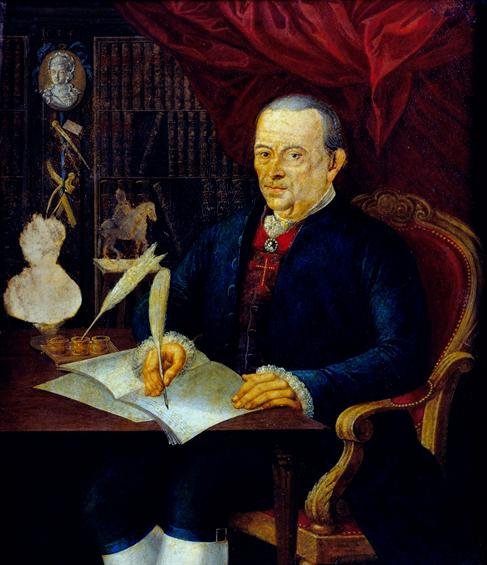
Joaquim Machado de Castro (1731-1822) was one of the most important Portuguese sculptors and statuaries, a leading figure of Portuguese sculpture in the eighteenth and nineteenth centuries. The son of Manuel Machado Teixeira and his first wife, Dona Teresa Angélica Taborda, he stood out for his artistic talent, his technical mastery and the significance of the works he left to the city of Lisbon and to the country.
His merit was recognised in his own lifetime. On 9 February 1814 he was elected a corresponding member of the Royal Academy of Sciences (Academia Real das Ciências) and, a few years later, the same institution awarded him a gold medal, an honour reserved for figures of acknowledged distinction. The Crown, too, entrusted him with highly prestigious posts: King José I appointed him sculptor to the Royal Household and placed him in charge of Public Works, positions he continued to hold during the reigns of Queen Maria I and King João VI. The latter monarch would also appoint him director of all the sculpture at the Ajuda Palace and of the royal works.
Besides his work as a sculptor, Machado de Castro was professor at the Aula de Escultura (School of Sculpture), training generations of artists and helping to pass on the knowledge of sculpture in Portugal. Although he is also remembered for his nativity scenes, his most celebrated work is the equestrian statue of King José I, erected in Terreiro do Paço, one of Lisbon’s most emblematic monuments and the foremost symbol of the city’s Pombaline reconstruction after the earthquake of 1755.
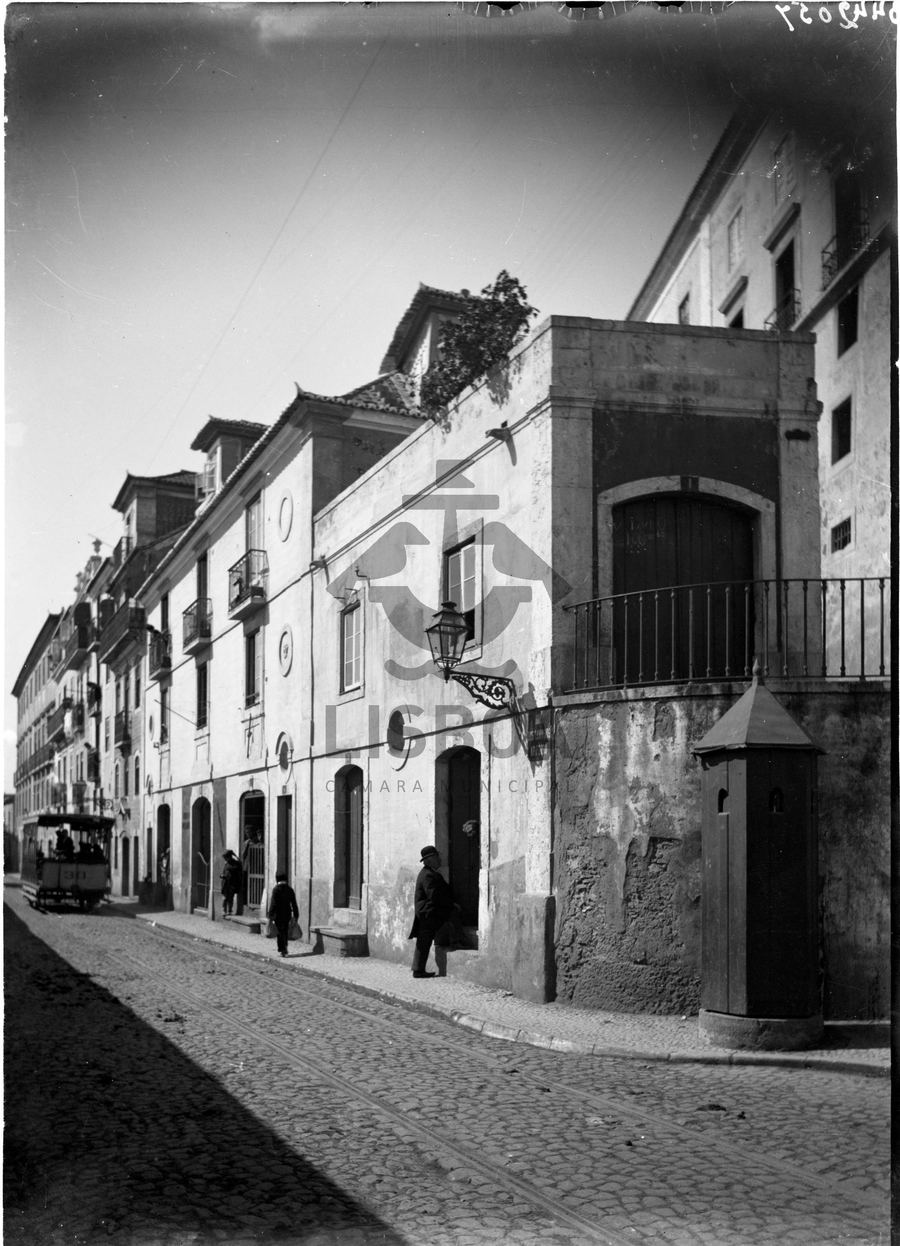
Machado de Castro was connected to the house at what is now No. 18 Rua dos Caminhos de Ferro, near Santa Apolónia, which at the time was identified as lying in the Cais dos Soldados area. The known records make it possible to state that he lived there, or kept his dwelling house there, at least between 1779 and 1782, and the connection may go back to 1778. It is not possible, however, to establish with absolute certainty how many years he lived in the building, since the known sources do not set out a complete and continuous period of residence.
Now restored, the house takes on a new meaning as heritage. The restoration of the building makes it possible to recover the memory of Machado de Castro and to give due value to a place associated with one of the great figures of Portuguese sculpture. More than a simple city property, the house is a material testimony to the artist’s presence in Lisbon and to the link between the city, its history and one of its most monumental public works: the equestrian statue of King José I in Terreiro do Paço.